
Who uses PERC?
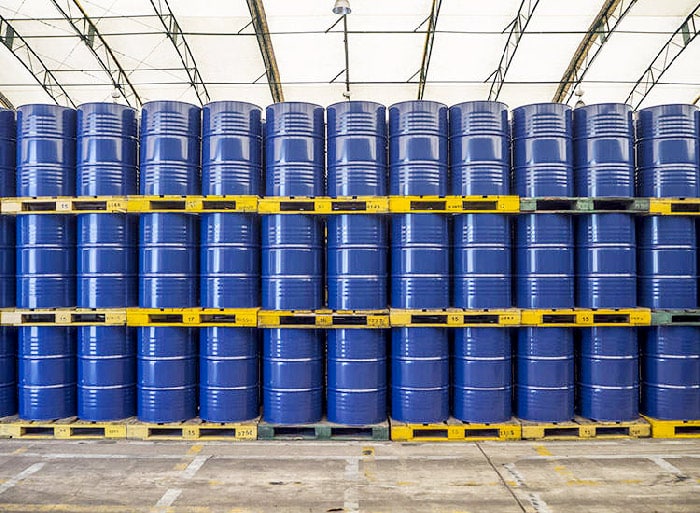
There are several companies on the African continent that consume or have historically consumed tetrachloroethylene (also known as perchloroethylene or PCE). Tetrachloroethylene is primarily used as a solvent in dry cleaning and degreasing operations. Some examples of companies that may consume tetrachloroethylene in African countries include:
Dry Cleaning Companies
Numerous dry cleaning companies across Africa use tetrachloroethylene as a cleaning solvent for apparel. These companies can be found in major cities and towns, catering to local customers and businesses.
Industrial Cleaning Companies
Some industries in Africa, such as automotive, metalworking, electronics, and aerospace, rely on tetrachloroethylene for degreasing or cleaning equipment and parts. These companies usually operate in industrial zones or specialized industrial areas.
Textile and Leather Industries
Some textile and leather manufacturing companies use tetrachloroethylene in finishing processes, including removing oils, stains, and other contaminants from the fabric or leather products. These companies can be found in textile hubs, such as Egypt, South Africa, Nigeria, and Morocco.
Printers and Publishers
Commercial printing presses often use tetrachloroethylene as a cleaning agent for printing plates and other machinery. This industry can be found in various African countries, especially those with a significant publishing sector.
Chemical and Pharmaceutical Companies
Some chemical and pharmaceutical manufacturers in Africa may utilize tetrachloroethylene as a solvent in the production of certain substances and drugs. These companies are usually located in industrial zones or cities with a strong chemical industry.
Chemicals and Pharmaceuticals

Perchloroethylene, also known as tetrachloroethylene or PCE, is a highly versatile chemical used in various industries, including manufacturing of chemicals and production of pharmaceutical products. Here are some applications of perchloroethylene in these sectors:
Manufacturing of Chemicals
- Solvent: Perchloroethylene is primarily used as a solvent for various organic materials, such as waxes, oils, fats, resins, and rubbers. Its excellent solvency power allows it to dissolve and extract impurities or unwanted components from raw materials or final products during chemical manufacturing processes.
- Cleaning Agent: Perchloroethylene is effective in degreasing and cleaning metal parts, electronic components, machinery, and precision instruments. It offers high cleaning performance due to its low surface tension and ability to dissolve greases, oils, and hydrocarbons.
- Extraction: Perchloroethylene is utilized as an extraction solvent to separate and isolate desired components from organic mixtures. It is commonly employed in the extraction of aromatic compounds from plant materials for the production of flavors, fragrances, and essential oils.
Production of Pharmaceutical Products
- Drug Synthesis: Perchloroethylene can be used as a reaction medium or solvent during the synthesis of various pharmaceutical compounds. It provides an ideal environment for certain chemical reactions, enabling efficient conversion of reactants into desired drug intermediates or active pharmaceutical ingredients (APIs).
- Purification: In the pharmaceutical industry, perchloroethylene is sometimes utilized as a purifying agent to remove impurities from final drug products. It can help eliminate residual solvents, trace metals, and other contaminants that may adversely affect the quality and safety of pharmaceutical formulations.
- Tablet Coating: Perchloroethylene is employed in the coating process of tablets to enhance their appearance, improve stability, or control drug release. It can be used as a film-forming agent to create a protective coating around the tablet, thereby facilitating easy swallowing and improving overall patient compliance.
Industrial Applications

Perchloroethylene is primarily used as a solvent in various industrial applications, including the production of resins and adhesives. Here are some of its main value and uses in the production of resins and adhesives:
Solvent for resin production
Perchloroethylene is often used as a solvent in the manufacturing process of various resins. Resins are complex chemical compounds that are formed by the polymerization of monomers. Perchloroethylene can effectively dissolve many resin precursors, allowing for the production of homogeneous mixtures and facilitating the reaction between monomers to form the desired resin.
Adhesive manufacturing
Perchloroethylene’s excellent solvent properties make it useful in the production of adhesives. Adhesives are substances used to bond two or more materials together. By dissolving the necessary components of adhesives, such as polymers, plasticizers, and tackifiers, perchloroethylene helps create adhesive formulations with the desired characteristics, such as viscosity, adhesion strength, and flexibility.
Cleaning and degreasing agent
In the production of resins and adhesives, it is crucial to ensure that the materials and equipment used are free from contaminants like oils, grease, and other impurities. Perchloroethylene is a powerful cleaning and degreasing agent that can effectively remove these substances from surfaces, ensuring the quality and purity of the final products.
Volatility control
Perchloroethylene has a moderate volatility, which means it can evaporate relatively slowly. This property is valuable in resin and adhesive production because it allows sufficient time for processing and application before the solvent evaporates completely. The controlled evaporation rate ensures proper mixing and curing of the resins and adhesives.
Stability and compatibility
Perchloroethylene is chemically stable and compatible with a wide range of other chemicals used in resin and adhesive formulations. Its stability makes it suitable for long-term storage and provides consistency in product quality. Additionally, its compatibility allows for the
effective incorporation of various additives and modifiers into resin and adhesive formulations, enhancing their performance and properties.